
What We're Seeing in the Market
You can't talk about the future of work without talking about AI anymore.
The future of work and AI are no longer separate topics. The two conversations have essentially merged — expect any strong future-of-work speaker to address both.
Your competitive edge isn't more information — it's better judgment.
As AI capability becomes standard across almost every industry, human judgment is what's actually separating the organizations pulling ahead.
Your multi-generational workforce is processing AI disruption differently, and that gap is now a workforce issue, not just a tech-adoption one.
The future-of-work conversation isn't only "how do roles change" — it's also "how do we keep four generations of employees aligned and confident while the rules keep shifting."
What's Working
for Our Clients
Our Future of Work Speakers
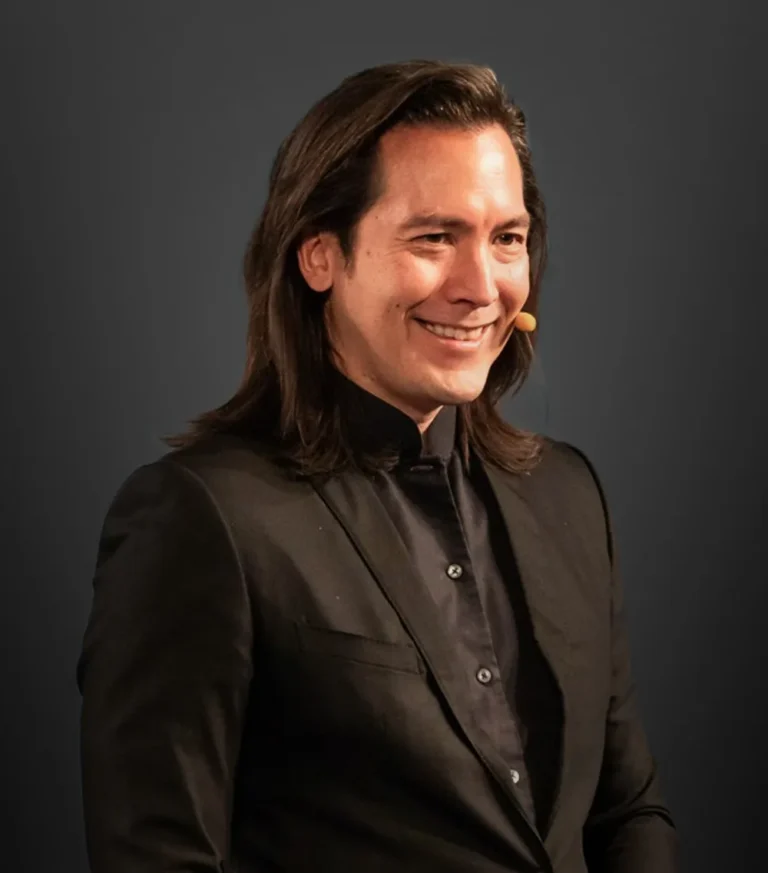 Mike WalshGlobal Authority on AI-Driven Transformation, Bestselling Author, Strategic Advisor, and HBR Columnist
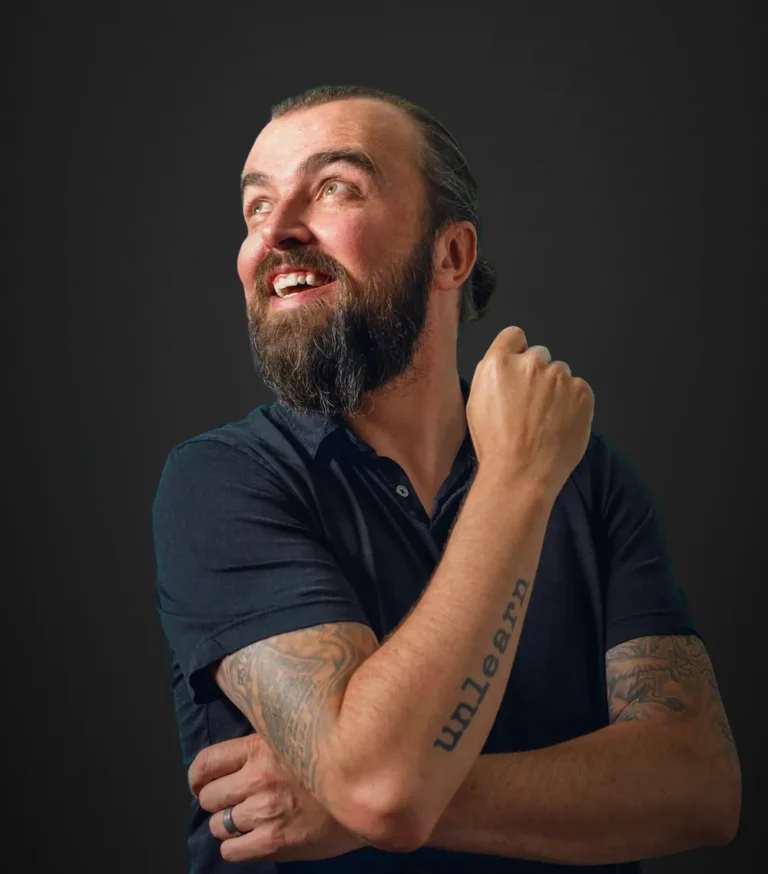 Scott StrattenFounder of the UnMarketing Movement, Bestselling Author of 7 Books, and Hall of Fame Speaker
 Sylvie di GiustoInternational Keynote Speaker, Bestselling Author, Consultant, and Creator of the World’s First 3D Immersive Keynote
 Tim SandersChief Innovation Officer at G2, Executive Fellow at Harvard Business School, Applied AI & Leadership Keynote Speaker
FAQs
Our leaders understand the future of work is changing. What kind of speaker actually helps them navigate it?
Understanding that work is changing and knowing what to do about it are two very different things — and most future of work speakers are better at the first than the second. The speakers who move leadership teams forward are the ones who bring real case studies from organizations already navigating the transformation, translate the big picture into a concrete blueprint leaders can apply to their own teams immediately, and help leaders keep trust and morale intact while their workforce adapts.
How do we avoid a future of work keynote that feels too broad?
Look for a speaker with a clear point of view and a practical framework. The strongest sessions connect big-picture trends to specific leadership or workforce decisions rather than trying to cover every possible development.
How do we find a future of work speaker who won't feel dated six months after our event?
This is one of the most important questions to ask before you hire a speaker in this category — and the answer comes down to whether the speaker is a practitioner or a commentator. Practitioners who advise organizations on workforce transformation daily have a fundamentally different perspective than those synthesizing published research. The AI landscape is moving faster than most research cycles — a speaker who is in the field with organizations right now will have insights that reflect what’s actually happening, not what has happened.
Our workforce spans four generations. Can a future of work speaker address all of them effectively?
Yes — and the speakers who do it best are the ones who anchor their content in the universal human experiences that cut across generational lines: the need for clarity, the desire to feel competent and confident, and the fundamental question of where I fit in a world that keeps changing. The generational dimension of the future of work conversation isn’t just about tech adoption preferences — it’s about how different generations are processing uncertainty, risk, and identity in a rapidly shifting landscape. The speakers cmi represents in this space are specifically chosen because they can speak to that complexity without flattening it into generational stereotypes.
Is the future of work mainly an HR topic?
No. It affects strategy, operations, leadership, technology, talent, culture, customer experience, and organizational design. The audience may include executives, managers, HR leaders, transformation teams, or broader employee groups.
Is a future of work keynote better for a leadership conference or an all-hands?
Both work, but they serve different purposes. For a leadership conference, the goal is typically to give senior leaders a clear strategic framework for how to lead their organizations through transformation — what decisions to make, how to communicate change, and how to keep trust intact while the rules keep shifting. For an all-hands, the goal is usually to help everyone in the organization understand where things are headed, feel confident about their place in it, and leave with something concrete they can do differently. The speakers cmi represents can work in both contexts — and our consultative process helps you identify which framing is right for your specific goals and audience.
How do we build the internal case for investing in a future of work speaker?
Frame it as a competitive positioning and retention conversation. As AI capabilities become standard across industries, human judgment is what’s actually separating the organizations pulling ahead — and developing that judgment in your leaders and teams is a strategic investment, not a professional development expense. Organizations that successfully navigate workforce transformation see measurable advantages in productivity and retention. A keynote that gives your leadership team a clear, actionable framework for leading through that transition is worth far more than the cost of the session.
How do we make sure a future of work keynote doesn't feel like another AI hype session?
Choose a speaker who leads with the human side of the transformation, not the technology. What resonates most with audiences right now isn’t what AI can do — audiences already know that. It’s what humans do when AI is doing more, how leaders maintain trust and purpose in uncertain environments, and how organizations keep four generations of employees aligned and confident while the rules keep shifting. Our speakers can start with the human implications of transformation and use technology as context, not as the main event.
Will your future of work speakers customize their keynote?
Yes. Our future of work speakers can customize case studies, stories, and applications to your audience, industry, event goals, or organizational priorities. cmi can help determine the right level of customization so the session and framework feel relevant to your audience.
What should our audience walk away able to do after a future of work keynote?
Your audience needs more than just confidence about the future. They should walk away knowing what decision they will make differently and what conversation they will have with their team next week. The strongest future of work keynotes do three things: they replace vague anxiety about change with a clear and honest picture of what’s actually happening, they give leaders a framework for keeping their teams aligned and confident while the rules keep shifting, and they translate the big picture into specific next-workday actions. cmi’s consultative process helps you identify which speaker’s framework is the right fit for where your leadership team is right now.