
What We're Seeing in the Market
Pressure doesn't just test your leaders; it narrows their thinking.
The real risk with decision-making under sustained pressure isn't one bad decision; it's that pressure gradually shrinks your leaders’ range of options over time. The leaders who hold up still feel the pressure, but are trained to keep their thinking wide when it would naturally narrow.
Micro-moments now carry as much weight as major decisions.
Trust and credibility are built or lost in split-second, often unconscious, moments — a tone, a reaction, a first impression — not just in the big, visible calls. That means leadership-under-pressure content is expanding beyond "how do I make the hard call" into "how do I show up in the hundred small moments before that call even happens."
The ability to lead under pressure isn't an innate trait — it's a trainable skill.
Strong leaders aren’t just “built for pressure." Rather, they use frameworks anyone can execute — precise language for high-stakes conversations, structured approaches for managing energy, and partnership-based models that build trust. If you have leaders struggling under pressure, that's a skill gap you can close, not a trait gap you're stuck with.
What's Working
for Our Clients
Our Leadership Under Pressure Speakers
 Ben KjarGreco-Roman World Champion, Subject of Award-Winning Documentary, Real Estate Entrepreneur, and Keynote Speaker
 Clint PulverLeadership Keynote Speaker, Author, and Emmy Award Winner
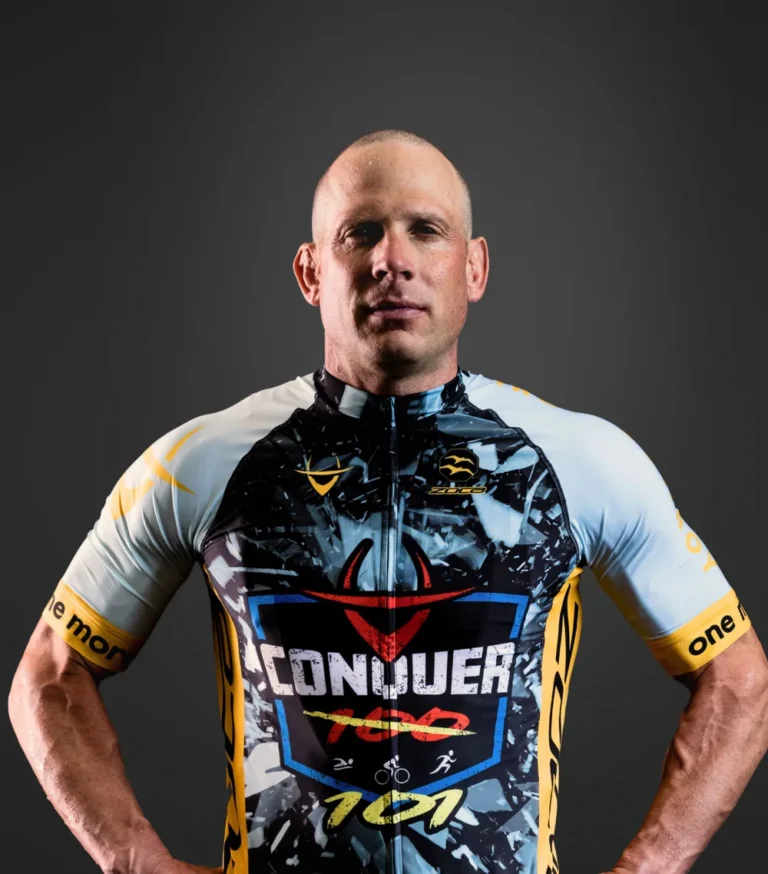 James LawrenceEndurance Athlete, Author, Speaker, and Family Man
 Mike WalshGlobal Authority on AI-Driven Transformation, Bestselling Author, Strategic Advisor, and HBR Columnist
 Phil M JonesLeading Authority on Revenue-Critical Influence, Persuasion, and Decision-Making, Bestselling Author, Serial Entrepreneur, and CPAE Hall of Fame Speaker
 Scott StrattenFounder of the UnMarketing Movement, Bestselling Author of 7 Books, and Hall of Fame Speaker
 Stacey HankeLeading Expert on Influence, Executive Presence, and Leadership Communication, Author, and International Keynote Speaker
 Sylvie di GiustoInternational Keynote Speaker, Bestselling Author, Consultant, and Creator of the World’s First 3D Immersive Keynote
 Tim SandersChief Innovation Officer at G2, Executive Fellow at Harvard Business School, Applied AI & Leadership Keynote Speaker
 Ty BennettBestselling Author, Global Entrepreneur, High-Performance Researcher, and Keynote Speaker
FAQs
How do we know if our leaders need a keynote or something deeper like coaching or training?
A keynote is the right starting point when you need to shift mindsets and give leaders a shared language and framework, and when you need to reach a large group at once. Coaching and training do go deeper, but they work best with fewer people. The most effective approach pairs a keynote with reinforcement. Several of our speakers offer exactly that through post-event resources, workshops, and follow-up sessions. We can help you identify which combination is right for your goals and budget.
How is leadership under pressure different from a general leadership keynote?
A general leadership keynote may focus on qualities such as vision, influence, or communication. Leadership under pressure is more specific: how leaders respond when conditions are changing quickly, consequences matter, and there is no perfect answer. The focus is on what leaders actually do in difficult moments.
Is leadership under pressure mostly about crisis leadership?
No. Crisis is one application, but pressure can also come from growth, transformation, ambitious targets, competitive disruption, AI adoption, or ongoing uncertainty. We’ve seen this topic become increasingly relevant because many leaders are operating under sustained pressure even when there is no formal crisis.
What should a leadership under pressure keynote give leaders that they can actually use the next day?
Depending on the speaker, leaders may leave better equipped to make decisions with incomplete information, communicate through uncertainty, recognize how their behavior affects trust, stay focused on what matters most, and respond more effectively when pressure increases. Whatever the specific focus, the keynote should give leaders specific, practiced behaviors for high-stress moments. The focus is on application: not “think differently about pressure” but “here is the specific thing I will do differently in a high-pressure moment.” We can help you think through your leadership challenges to find the speaker with the frameworks and tools your leaders most need.
Can a leadership under pressure keynote work for both senior executives and frontline managers?
It depends on the speaker and how the content is framed. Some speakers’ content is geared more toward the C-suite. But others can work across levels because they anchor their message in universal human experiences — how to respond to uncertainty, how trust is built in daily interactions, how pressure affects decision-making regardless of title. We’ll talk to you about the audience composition before recommending a speaker, because the right fit for an executive retreat is often not the right fit for a manager conference.
Can a leadership under pressure keynote work for sales leaders?
Yes. Sales leaders operate in environments where targets, customer expectations, market shifts, and competitive pressures can create constant urgency. The topic can help them make better decisions, communicate more effectively, and maintain trust while performance expectations remain high.
Our leaders understand they need to perform under pressure but aren't changing their behavior. What kind of speaker helps with that?
This is the awareness-to-execution gap — and it’s one of the most common and frustrating problems in leadership development right now. Over 60% of organizations report being either less well or only similarly prepared for disruption compared to the previous year, despite high awareness of the challenges they face. The speakers who close that gap give leaders a specific, repeatable framework they can practice. Look for speakers whose content is built around behavioral change, backed by research, and designed for immediate application.
What's the difference between a resilience speaker and a leadership under pressure speaker — and which one do we need?
These topics have some overlap, but they’re not the same. Resilience speakers focus on how leaders and teams recover from setbacks. Leadership under pressure speakers focus on how leaders perform during the pressure — the decisions they make, the communication they deliver, and the trust they build or erode in real time. If your leaders are recovering slowly after difficult periods, you probably need a resilience speaker. If your leaders are making poor decisions, losing credibility, or struggling to hold their teams together while the pressure is happening, you need a leadership under pressure speaker. We can help you identify which problem you’re actually solving and which speaker can help you solve it.
How do we build the internal case for investing in a leadership under pressure speaker?
Frame it as a performance and risk management conversation. Leaders are being asked to deliver results while managing AI transformation, hybrid workforces, and ongoing economic uncertainty simultaneously. The cost of leaders who can’t perform under those conditions isn’t a training line item — it’s missed opportunities, slower execution, and teams that disengage when they need to be at their best.
How do we know which leadership under pressure speaker is right for our specific moment?
The answer depends on three things — your audience, your specific challenge, and the outcome you’re trying to drive. Some of our speakers are especially strong when the challenge is leadership trust and team alignment, others own the communication and perception territory, and some address leadership under the specific pressure of AI-driven disruption. cmi’s consultative process is specifically designed to help you identify which of those angles is the right fit for you.
Will your leadership under pressure speakers customize their keynote?
Yes. Relevant customization from our speakers may include your organizational structure, leadership priorities, team dynamics, event objectives, or specific challenges. cmi can help determine the right level of discovery so the session feels relevant without losing the speaker’s proven framework.